

Introducing the Medieval Raven
Awdur(on) Philip Line
Iaith: Saesneg
Dosbarthiad(au): Medieval
Cyfres: Medieval Animals
- Ebrill 2027 · 160 tudalen ·198x129mm
- · Clawr Meddal - 9781837724734
- · - 9781837724741
- · - 9781837724758
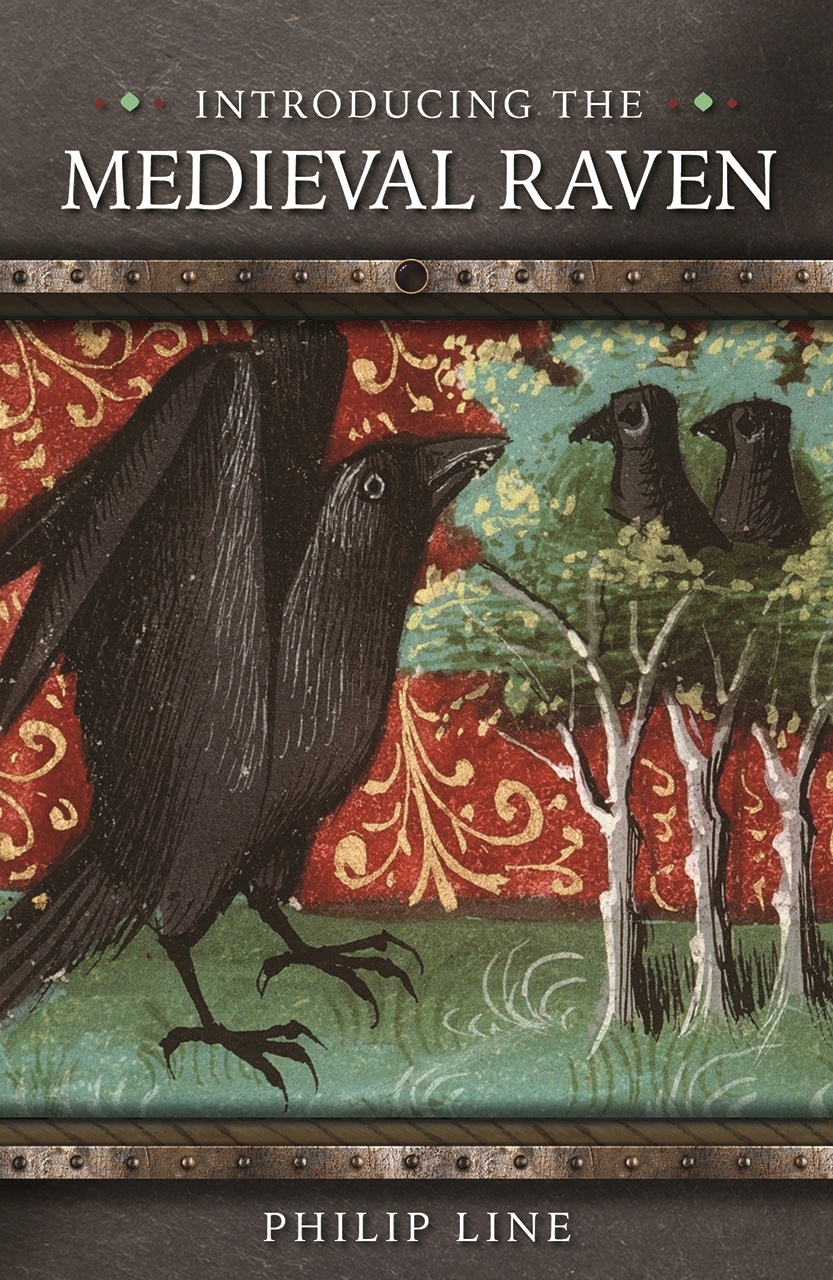
presents medieval European conceptions of the corvus (raven, crow and rook), often thought of or confused as one species. Raven and crow had little to offer humans in terms of service or materials that could be used, but much to offer as literary and artistic subjects. The black plumage of all but the hooded crow and their harsh voices made them conspicuous, while their taste for carrion and their ability to imitate the human voice made them both remarkable and suspect, birds of ill omen to many but messengers or companions of supernatural beings in Germanic and Celtic mythology. The raven was thought an untrustworthy servant of Noah and a bird who could lead humans astray through imitation and tale-telling, a bird who could represent sinners or even the Devil, but also preachers who clothed themselves in black to show humility, and one who sometimes served holy men in a positive way.
Abbreviations
List of illustrations
Introduction
1. Corvids among birds, birds among animals
2. The in scholarly works
3. Ravens, humans and their environment
4. Names and voices
5. The raven as moral exemplar
6. Ravens and saints
7. The Germanic raven
8. The Celtic raven
9. The raven in high medieval continental art and literature
Postscript
Endnotes
Bibliography
Index